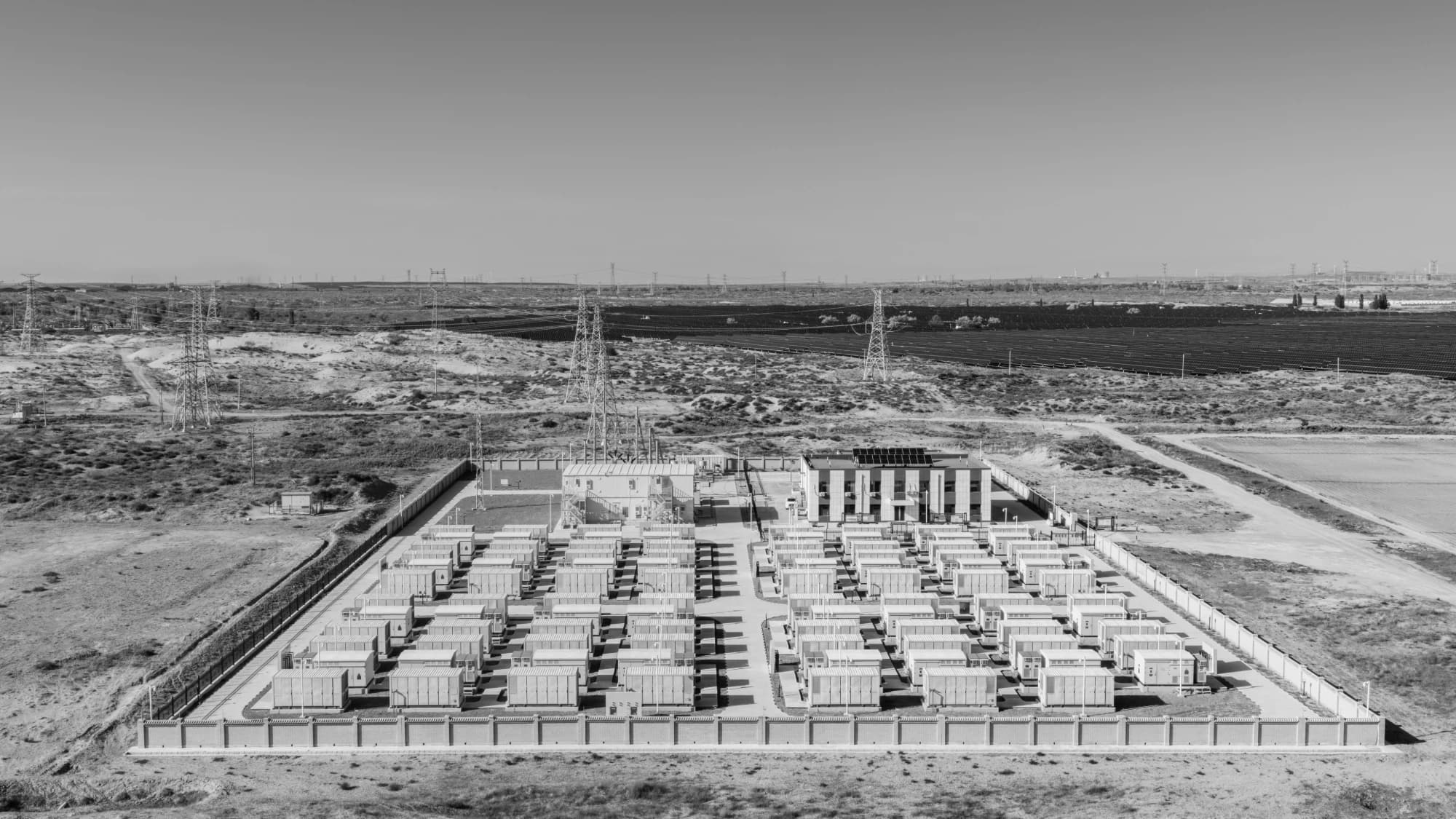
The grid is now part of every project's development strategy.
For years, clean-energy conversations centered on equipment costs, incentives, and project demand. Today, the ability to connect to the grid can be just as decisive. Interconnection studies, queue timelines, transmission availability, utility upgrades, and regional market rules can shape project economics long before construction begins.
For developers, landowners, energy buyers, capital partners, and large-load users, grid conditions are no longer a downstream technical detail. They are an early strategic variable.
Queue timing can reshape development sequencing.
Capacity and upgrade requirements affect where projects can move.
Data centers, manufacturing, and electrification are changing planning assumptions.
Generation and storage seeking U.S. grid interconnection at year-end 2025.
↗ Berkeley Lab · 2026Median interconnection-request-to-operation timeline for projects built in 2025.
↗ Berkeley Lab · 2026Of capacity entering queues from 2000–2020 had been withdrawn by year-end 2025.
↗ Berkeley Lab · 2026Where grid conditions shape the path forward.

A new Hitachi Energy transformer plant, a state audit of utility cost calculations, and an unresolved FERC question are all pointing at the same unsettled issue — who actually pays when a grid upgrade is needed to connect new load.
Recent reporting and analysis.
The terms and decisions behind the headlines.
Grid conditions are one part of the development path.
Surge works with landowners, developers, energy buyers, capital partners, and delivery teams to evaluate opportunities in the context of real grid conditions, site strategy, capital requirements, and execution pathways.